Introduction
In Hindu tradition, our connection to our ancestors does not end at death. The souls of those who came before us continue to influence our lives — blessing us when honored and creating obstacles when neglected or disturbed.
Pitru Dosha is one of the most powerful ancestral afflictions recognized in Vedic astrology. It affects millions of families across India and is believed to be the hidden cause behind many unexplained struggles — health problems, financial setbacks, relationship difficulties, delayed marriages, and childlessness.
Srirangapatna, the sacred island town on the Cauvery River in Karnataka, is one of the most revered destinations in South India for performing Pitru Dosha Parihara and ancestral rituals. Every year, thousands of families travel here to honor their ancestors and seek relief from the burden of Pitru Dosha.
This complete guide covers everything — what Pitru Dosha is, its symptoms, all related rituals, auspicious timings, costs, and how to book an experienced purohit in Srirangapatna.
What is Pitru Dosha?
Pitru Dosha (also called Pitra Dosha) is an ancestral affliction that occurs in a person’s horoscope when:
- Ancestors did not receive proper last rites (Antyesti Sanskara)
- Family members failed to perform annual Shraddha rituals
- Ancestors died an unnatural, accidental, or untimely death
- Ancestors committed serious wrongdoings during their lifetime
- The family abandoned or disrespected elderly members
- Ancestral property was misused or unlawfully taken
In Vedic astrology, Pitru Dosha is identified when the Sun, Moon, or Lagna lord is afflicted by Saturn, Rahu, or Ketu in specific houses — particularly the 9th house (house of ancestors and dharma).
The word Pitru means ancestors or forefathers. When their souls remain unsatisfied — either due to improper last rites, unfulfilled wishes, or karmic debts — they send signs of distress to their living descendants through difficulties in daily life.
Symptoms of Pitru Dosha
How do you know if your family is affected by Pitru Dosha? These are the most commonly reported signs:
In the Family:
- Unexplained illnesses that do not respond to medical treatment
- Repeated miscarriages or difficulty conceiving
- Children facing chronic health issues from a young age
- Delayed or repeatedly broken marriages
- Persistent conflicts and lack of harmony within the family
In Dreams:
- Seeing deceased ancestors in distressing or unhappy states
- Ancestors appearing in dreams asking for food, water, or help
- Recurring nightmares involving death or deceased relatives
In Life:
- Persistent financial losses despite hard work and honest effort
- Obstacles in career growth and business despite capability
- Property disputes and legal troubles with no resolution
- Series of misfortunes across multiple generations of the family
In Astrology:
- Rahu or Saturn in the 9th house of the birth chart
- Sun afflicted by malefic planets
- Astrologer specifically identifies Pitru Dosha or Pitra Dosha in your chart
If your family experiences three or more of these signs across generations, it is strongly recommended to consult an experienced purohit and consider performing Pitru Dosha Parihara rituals.
Why is Srirangapatna Sacred for Ancestral Rituals?
Not every place is equally powerful for ancestral rituals. Srirangapatna holds a uniquely special position in the Vedic tradition for the following reasons:
The Cauvery River The Cauvery (Kaveri) is one of the seven sacred rivers of India — revered across all Hindu scriptures. It is specifically mentioned in the Skanda Purana and Valmiki Ramayana as a powerful purifier of ancestral karma. Rituals performed on the banks of the Cauvery are believed to directly reach departed souls and carry their liberation.
The Sacred Island Geography Srirangapatna is a Dweepa — a river island — surrounded entirely by the Cauvery. In Vedic tradition, river islands are considered exceptionally auspicious for ancestral rites because they are simultaneously connected to land and water — the two elements most associated with human life and death.
Lord Ranganatha — The Presiding Deity The presiding deity of Srirangapatna is Lord Ranganatha, a powerful form of Lord Vishnu who is also known as Narayana — the one who provides refuge to souls seeking liberation. Ancestral rituals performed in the presence of Lord Ranganatha carry the added power of Vishnu’s protection and grace.
Ancient Tradition of Pitru Kriya Srirangapatna has been a destination for Pitru Kriya rituals for centuries. The purohits here carry unbroken lineages of Vedic knowledge specifically related to ancestral rites — ensuring that every ritual is performed with complete authenticity.
Pitru Dosha Parihara Rituals at Srirangapatna
Srirangapatna All Pooja offers a complete range of ancestral rituals. Here is a detailed explanation of each:
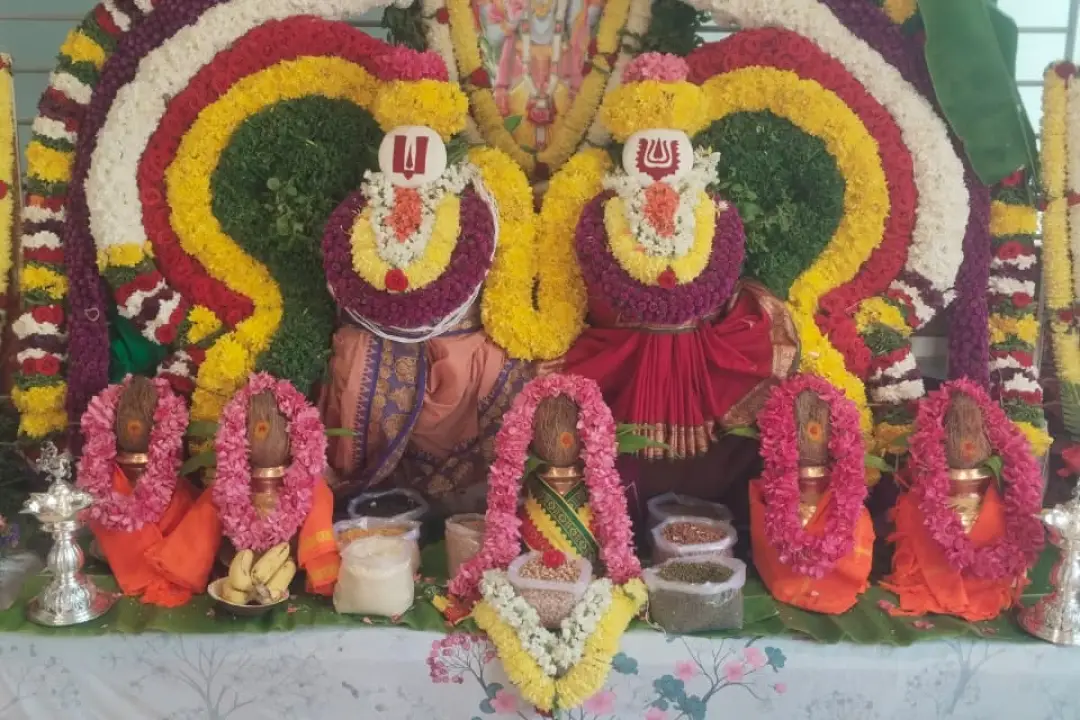
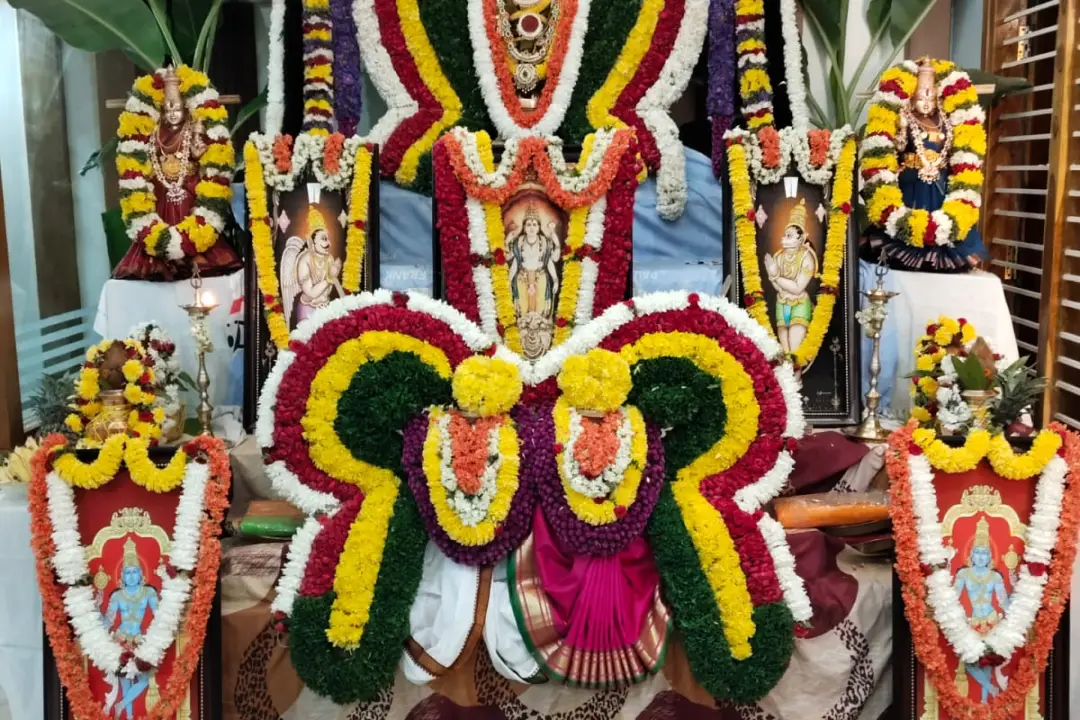
Pitru Dosha Parihara This is the primary ritual performed to remove Pitru Dosha from the horoscope. It includes Sankalpa, Navagraha Pooja, Pitru Tarpana, Pinda Pradhana, and Homa — all conducted with specific Vedic mantras to appease the ancestors and seek their blessings.
Pitru Shanti Pitru Shanti is performed to pacify the souls of departed ancestors who are in a state of restlessness. It involves detailed Tarpana (water offerings) with sesame seeds, chanting of ancestral lineage names, and Pinda offerings — creating peace for the souls and removing their distress energy from the family.
Tila Tarpana Tila Tarpana is the offering of water mixed with black sesame seeds (Til) to the departed ancestors. Sesame seeds hold a special significance in Hindu tradition — they are believed to nourish the souls of ancestors and provide them with comfort and sustenance in the afterlife. This ritual is performed on the banks of the Cauvery River while chanting the names of ancestors across three generations.
Pinda Pradhana Pinda Pradhana involves the offering of rice balls (Pindas) to the ancestors. Each Pinda represents a generation of ancestors and is offered with prayers for their liberation, peace, and continued blessings for the living family. This ritual is one of the most ancient forms of ancestor worship mentioned in the Rigveda.
Asthi Visarjan (Immersion of Ashes) When the ashes or bones (Asthi) of a deceased family member need to be immersed in a sacred river, the Cauvery River at Srirangapatna is one of the most spiritually powerful locations in South India for this final rite. Asthi Visarjan completes the soul’s journey and helps it move toward Moksha (liberation).
Tila Homa Tila Homa is a sacred fire ritual performed specifically for ancestors who died an unnatural death — accident, suicide, drowning, or sudden illness. Offerings of sesame, ghee, and sacred herbs are made into the fire while Vedic mantras are chanted to provide peace to these unsettled souls and remove their influence from the family.
Tripindi Shraddha Tripindi Shraddha is a powerful ancestral ritual performed when regular Shraddha rituals have been missed for three or more consecutive years. It is one of the most important remedial rituals for cumulative ancestral debt and is particularly recommended for families that have lost the tradition of performing annual Shraddha.
Full Procedure of Pitru Dosha Parihara
Here is what to expect when you arrive at Srirangapatna for your ancestral ritual:
Morning Preparation Arrive at Srirangapatna the evening before your ritual date. Take a bath early in the morning on the day of the pooja — ideally in the Cauvery River or with Cauvery water.
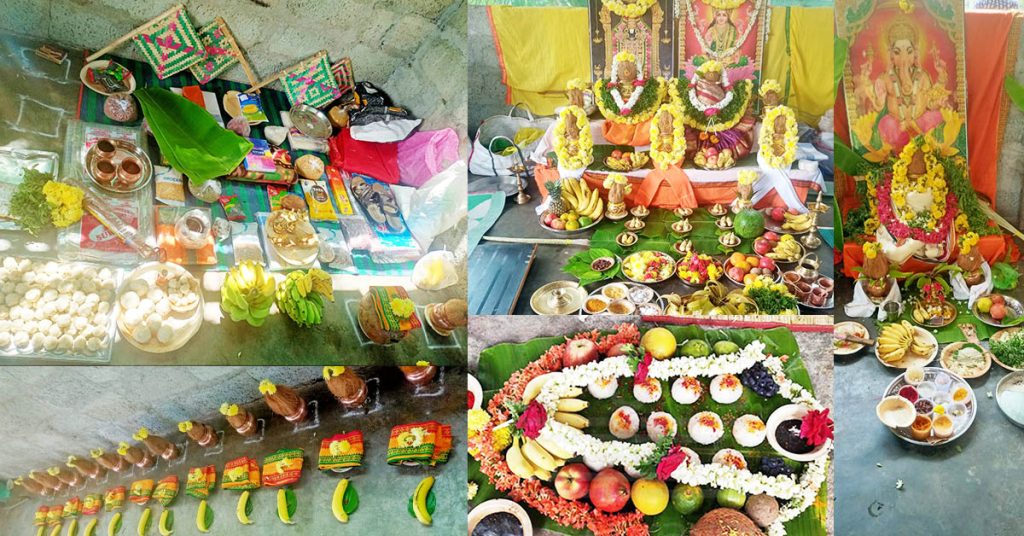
Sankalpa (Sacred Resolve) The purohit begins the ritual with Sankalpa — a detailed sacred declaration that includes your name, gotra, the names of your parents and grandparents, and your intention for performing the ritual.
Ganapathi Pooja Lord Ganesha is worshipped first to ensure the ritual proceeds without obstacles.
Navagraha Shanti All nine planetary deities are propitiated, with special prayers to the Sun (Surya) — the planet most closely associated with ancestors and the 9th house of the horoscope.
Pitru Ahvana (Invocation of Ancestors) The purohit chants specific Vedic mantras to invoke the presence of your ancestors — calling upon your father, grandfather, great-grandfather, and maternal lineage as well.
Tila Tarpana on the Cauvery River Standing knee-deep in the sacred Cauvery River, the performer offers water mixed with black sesame seeds to each generation of ancestors while the purohit chants their names. This is the most spiritually powerful part of the ritual.
Pinda Pradhana (Rice Ball Offerings) Rice balls are prepared and offered on the river bank with prayers for each ancestor’s peace, liberation, and continued blessings.
Homa (Sacred Fire Ritual) Back at the ritual space, a sacred fire is lit and offerings of sesame, ghee, rice, and sacred herbs are made with Pitru-related Vedic mantras.
Brahmin Bhojan and Dakshina The ritual concludes with feeding Brahmins who symbolically receive the offerings on behalf of the ancestors, followed by Dakshina to the purohit.
Final Prayers and Blessings The purohit offers final blessings to the family for health, prosperity, and ancestral grace, and the prasad is distributed to all family members.
What to Bring for the Ritual
Your purohit will arrange all the main Samagri. Additionally please bring:
- Fresh white dhoti and clean clothes for the performer
- Black sesame seeds (Til) — a small quantity as an additional offering
- Fruits — bananas, coconuts, and seasonal offerings
- Flowers — white flowers preferred for ancestral rituals
- Names of ancestors across three generations if known — father, grandfather, great-grandfather and their gotras
- Be prepared to enter the Cauvery River for Tarpana — bring a change of clothes
Auspicious Timings for Pitru Dosha Parihara
Choosing the right timing greatly enhances the power of the ritual. The most auspicious times include:
Pitru Paksha (Mahalaya Paksha) The most powerful period of the year for all ancestral rituals — a 15-day period in September or October dedicated entirely to ancestor worship. Performing Pitru Dosha Parihara during this period is considered most effective.
Mahalaya Amavasya The last day of Pitru Paksha — considered the single most powerful day of the year for ancestral rituals. Thousands of families gather at Srirangapatna on this day.
Amavasya (New Moon Day) Every monthly Amavasya is auspicious for Tarpana and Shraddha rituals. Regular monthly Tarpana is highly recommended for families with known Pitru Dosha.
Solar and Lunar Eclipses Eclipse days carry extraordinary spiritual power for ancestral rituals — the effect of rituals performed during eclipses is believed to be multiplied manifold.
Bheeshma Ekadashi A sacred day in the Hindu calendar specifically associated with offering prayers to ancestors.
Any Day Recommended by the Purohit Based on the individual horoscope and family circumstances, our purohit may recommend a specific Muhurat outside the standard auspicious periods.
Cost of Pitru Dosha Parihara Rituals in Srirangapatna
The cost depends on which specific rituals are performed, the number of purohits required, and the Samagri involved.
General cost range: ₹3,500 – ₹20,000
Individual rituals such as Tila Tarpana or Pinda Pradhana are on the lower end. A complete Pitru Dosha Parihara package including Homa, Tarpana, and Pinda Pradhana falls in the mid range. Extended packages including Tripindi Shraddha or Tila Homa may cost more.
At Srirangapatna All Pooja, all pricing is fully transparent with no hidden charges. All Samagri is included. Contact us for a personalized quote.
📞 Reach out directly to discuss your requirement and get an accurate cost estimate.
Benefits of Pitru Dosha Parihara
- Departed ancestors attain peace and Moksha (liberation)
- Removal of Pitru Dosha from the family horoscope
- Relief from unexplained health problems across generations
- Resolution of fertility and pregnancy issues
- Removal of obstacles in marriage and family harmony
- Improvement in financial stability and career growth
- Protection of children from ancestral negative energy
- Peace of mind knowing your ancestors are honored and at rest
- Ancestral blessings flowing freely to future generations
About Our Purohit — Prakash Purohit
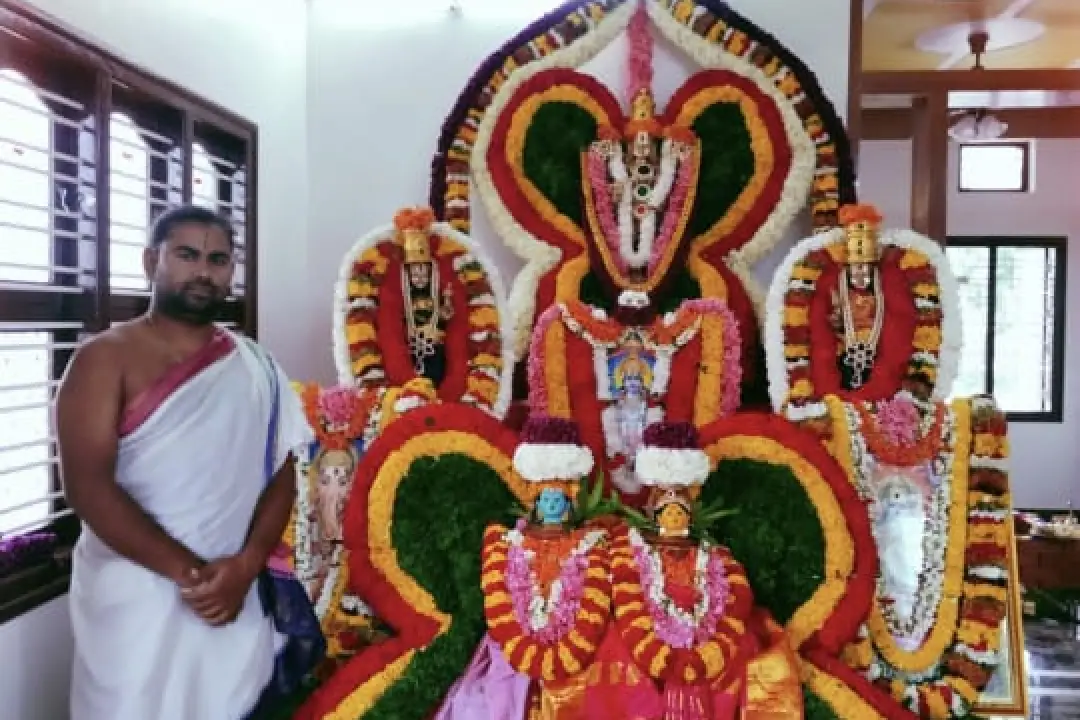
With over 35 years of dedicated experience, Prakash Purohit is the most senior and trusted purohit in Srirangapatna for Pitru Kriya rituals. His deep expertise in Vedic Shraddha traditions, Tarpana procedures, and Pitru Dosha remedies has brought peace and relief to thousands of families across South India.
His approach is rooted in genuine devotion, authentic Vedic mantras, and a heartfelt commitment to honoring both the living and the departed with equal care and dignity.
How to Book Pitru Dosha Parihara in Srirangapatna
- Call or WhatsApp us with your name and a brief description of your family’s situation
- Share your horoscope or birth details if available — our purohit will identify the specific Dosha
- We will recommend the most suitable rituals and an auspicious date
- Arrive at Srirangapatna on the confirmed date — arriving the previous evening is strongly recommended
- The complete ritual is performed on the sacred banks of the Cauvery River
📞 Phone: +91 8147860917 📧 Email: prakashcpurohith@gmail.com 🌐 Website: srirangapatnaallpooja.com
Frequently Asked Questions (FAQ)
Q1. How do I know which specific ritual I need — Pitru Dosha Parihara, Pitru Shanti, or Tila Tarpana? Our purohit will evaluate your horoscope and family circumstances and recommend the most appropriate ritual or combination of rituals. You do not need to decide alone — we will guide you completely.
Q2. Can women perform Tila Tarpana and Pinda Pradhana? In traditional Vedic practice, these rituals are typically performed by the eldest son or male member of the family. However, in cases where no male member is available, our purohit can advise on appropriate alternatives.
Q3. How often should Pitru Dosha Parihara be performed? A full Pitru Dosha Parihara is typically performed once, ideally on a Pitru Paksha Amavasya. After that, annual Shraddha and monthly Tarpana on Amavasya are recommended to maintain ancestral peace.
Q4. Can I perform these rituals if I don’t know the names of my ancestors? Yes. The ritual can be performed without specific names. The purohit uses broader Vedic invocations that address all ancestors across the lineage, known and unknown.
Q5. Is it necessary to travel to Srirangapatna or can the ritual be done at home? While a basic Tarpana can be performed at home, the full Pitru Dosha Parihara ritual — especially with Pinda Pradhana and Homa — is far more powerful when performed on the banks of the sacred Cauvery River at Srirangapatna. The spiritual energy of this location significantly amplifies the effect of the ritual.
Q6. Can NRI families or those living outside Karnataka perform these rituals here? Absolutely. We regularly assist families from across India and abroad who travel to Srirangapatna specifically for these rituals. We can help with advance planning, timing, and all ritual arrangements.
Conclusion
Our ancestors gave us life, culture, and identity. Honoring them is not just a religious obligation — it is an act of gratitude, love, and spiritual responsibility.
If Pitru Dosha has been casting a shadow over your family — affecting health, finances, relationships, or the well-being of your children — the sacred town of Srirangapatna offers the most powerful setting in South India to perform these healing ancestral rituals.
Under the guidance of Prakash Purohit, with over 35 years of experience, and on the blessed banks of the Cauvery River — your ancestors will receive the honor they deserve, their souls will find peace, and your family will experience the blessings that flow when the bond between the living and the departed is healed.
Take this sacred step today. Book your Pitru Dosha Parihara in Srirangapatna.
📞 Call: +91 8147860917 🌐 Visit: srirangapatnaallpooja.com